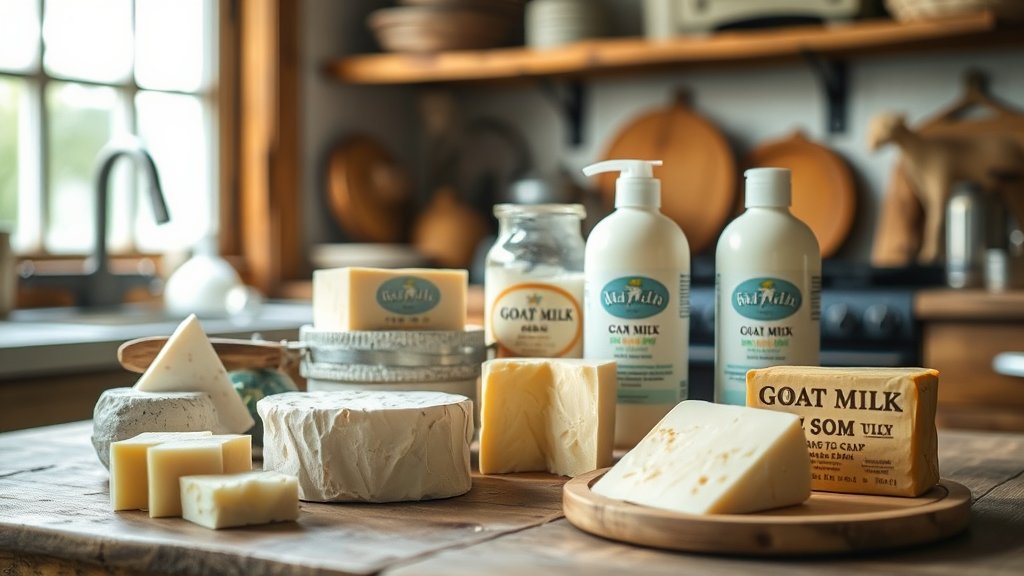
When it comes to skincare, people are always on the lookout for that miracle ingredient. Well, goat milk might just be what you’re looking for. Packed with vitamins and minerals, it’s like nature’s little gift to our skin. Imagine slathering something on your face that’s been used since ancient times—yep, Cleopatra is rumored to have bathed in it. The lactic acid in goat milk helps exfoliate dead skin cells, revealing a fresh and glowing complexion underneath. Plus, it’s super gentle, making it perfect for those with sensitive skin.
Goat milk is also rich in fatty acids and cholesterol, which are important components of the skin barrier. This means it helps keep your skin hydrated and protected against environmental damage. And who doesn’t love a good multitasking product? It’s not just about hydration; the probiotics found in goat milk can help with inflammation and acne too. So next time you’re scanning the beauty aisle, maybe toss that goat milk soap or lotion into your cart and see if it makes a difference.
Another cool thing about goat milk is its natural creaminess. When added to soaps and lotions, it creates this luscious, velvety texture that feels oh-so-luxurious on your skin. It’s like giving yourself a mini spa treatment every day. And let’s be real, who couldn’t use a bit more pampering in their life? Whether it’s in a face mask, a bar of soap, or even a moisturizer, goat milk is a powerhouse ingredient that deserves a spot in your skincare routine.
Nutritious and tasty dairy alternative
Switching gears from skincare to what we put inside our bodies, goat milk is not just good for our outsides but our insides too. It’s a fantastic alternative to cow’s milk, especially for those who are lactose intolerant or find cow’s milk hard to digest. Goat milk has smaller fat globules and a different protein structure, which makes it easier on the stomach. So, if you’ve ever felt bloated or uncomfortable after drinking cow’s milk, goat milk might just be your new best friend.
And let’s talk nutrition for a second. Goat milk is loaded with essential nutrients like calcium, magnesium, and potassium—basically all the good stuff you need for strong bones and overall health. It also contains higher amounts of certain vitamins like A and D compared to cow’s milk. This makes it not only a tasty but also a nutritious option for people of all ages.
But beyond the health benefits, goat milk has this slightly sweet, creamy taste that’s just… delightful. It’s versatile too, and there are countless goat milk applications to explore! You can use it in your coffee, pour it over cereal, or even make delicious homemade cheese with it. There’s something so satisfying about knowing you’re consuming something that’s both tasty and good for you. Plus, it’s always fun to experiment with new flavors in the kitchen.
Innovative uses in baby formula
When it comes to baby formula, parents are understandably cautious about what goes into their little one’s tummy. Goat milk is becoming an increasingly popular choice here too. Why? Well, for starters, the protein composition of goat milk is closer to human breast milk than cow’s milk is. This can make it easier for babies to digest and less likely to cause allergic reactions.
Moreover, goat milk-based formulas often contain fewer additives and artificial ingredients compared to some of their cow’s milk counterparts. This makes them a more natural option for babies who might be sensitive or have specific dietary needs. Considering such benefits, many parents have started exploring options from Ausnutria for their little ones.And let’s face it—anything that can make parenting just a tad bit easier is worth considering.
It’s also worth mentioning that many parents report fewer issues like colic or eczema when they switch their babies to goat milk formula. While every baby is different and what works wonders for one might not work for another, it’s always nice to have options. And knowing that there’s an alternative out there that could potentially ease some common baby woes? That’s reassuring.
Goat milk in gourmet cooking
If you’re someone who loves experimenting in the kitchen (or even if you’re not), goat milk can add a unique twist to your culinary creations. Its slightly tangy flavor profile can elevate dishes in ways you might not expect. Think creamy soups with an extra depth of flavor or even baked goods with that something special you can’t quite put your finger on.
Chefs around the world have been incorporating goat milk into their gourmet recipes for years now. From decadent desserts like panna cotta and ice cream to savory dishes like goat cheese risotto or béchamel sauce—goat milk brings a richness that’s hard to beat. It’s one of those ingredients that make you go “Wow!” without overpowering the dish.
And let’s not forget about homemade cheese! Making your own cheese from goat milk can be incredibly satisfying (and delicious). Whether it’s soft chèvre or aged gouda-style cheese, using goat milk can take your cheese game to the next level. Plus, there’s something so rewarding about serving up something you’ve made from scratch at your next dinner party.
Sustainable farming practices with goats
A conversation about goat milk wouldn’t be complete without touching on sustainability. Goats are generally easier on the environment compared to cows—they require less land, water, and food. This makes them a more eco-friendly option for dairy farming. Plus, goats are incredibly versatile animals; they can graze on land that isn’t suitable for other livestock.
Another aspect of sustainable farming with goats is their ability to produce more milk per pound of feed compared to cows. This efficiency means less strain on resources while still providing ample amounts of nutritious milk. For those who are conscious about their environmental footprint but love their dairy products—goat farming presents an appealing alternative.
Lastly, there’s a certain charm to smaller-scale goat farms that practice sustainable farming methods. Many of these farms focus on humane treatment of animals and organic farming practices, which not only benefit the environment but also result in higher quality products. Supporting these farms means you’re not just getting great products but also contributing to more sustainable agricultural practices.